Best DIY Composting Systems for Sustainable Living
As a gardening enthusiast passionate about sustainability, I have always sought ways to reduce waste and nourish my plants naturally. Composting has become an integral part of my gardening routine, allowing me to recycle kitchen scraps and yard waste into rich, fertile soil. In this guide, I will share my insights on the best DIY composting systems available, ensuring you make an informed decision that aligns with your sustainability goals.
Table of Contents
1The Importance of Choosing the Right Composting System
Selecting the ideal composting system is vital for effective waste management and enriching your garden. A good composting system turns organic waste into valuable compost, which can significantly enhance soil quality and plant vitality. Moreover, effective composting reduces landfill contributions, curbing greenhouse gas emissions. By creating nutrient-rich compost at home, you contribute positively to the environment, promoting sustainable living practices.
From personal experience, I have tested various composting systems, and the right choice can streamline the process, encourage efficient breakdown of materials, and yield better results. Without a suitable system, composting can become cumbersome, leading to odour issues or sluggish decomposition. Therefore, understanding the features and benefits of available options is essential for any eco-conscious gardener.
2Essential Criteria for Selecting a Composting System
When considering a composting system, several criteria should guide your decision:
1. Size and Capacity: The composting system must accommodate the volume of organic waste you produce. For example, families might need larger systems compared to individuals. Look for options that fit your available space and waste output.
2. Material Quality: A durable construction is crucial for longevity. Materials such as UV-resistant plastics or sturdy metal can withstand various weather conditions, ensuring your investment lasts.
3. Ease of Use: Systems should be easy to assemble, maintain, and access. Features like removable trays, tumbler designs, or easy-rotation mechanisms can simplify the composting process.
4. Aeration and Drainage: Good airflow is essential for a successful composting process. Ensure the system has adequate ventilation to facilitate aerobic decomposition.
5. Cost Effectiveness: Evaluate the system's price relative to its features and the quality of compost it produces. A slightly higher investment in a quality system can deliver better long-term results.
By considering these criteria, you can select a composting system that not only meets your needs but also supports an eco-friendly gardening approach.
3Our Top Picks for DIY Composting Systems
Hozelock Biomix Solution Composting Tank 19l
Tooled Up
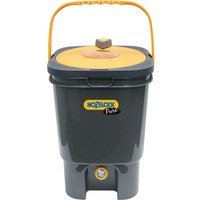
The Hozelock Biomix Solution Composting Tank is a compact yet effective composting solution, ideal for gardens with limited space. It allows you to easily convert everyday organic waste into valuable compost or liquid plant food.
Pros
- Compact design fitting small spaces
- Produces nutrient-rich liquid fertiliser
- Durable and lightweight construction
- User-friendly assembly and maintenance
Cons
- Limited capacity for larger households
- Requires regular maintenance for optimal results
Hozelock Biomix Solution Composting Tank
My Tool Shed

Designed for efficiency, the Hozelock Biomix allows for the dual function of producing compost and liquid plant food, making it versatile for various gardening needs.
Pros
- Versatile in producing both solid and liquid compost
- Made from robust materials for longevity
- Environmentally friendly as it utilizes waste efficiently
- Easy to handle and rotate for quicker composting
Cons
- Smaller size might not suit larger composting needs
- Can be slightly expensive for beginners
Hozelock Biomix Solution Composting Tank 19l
My Tool Shed
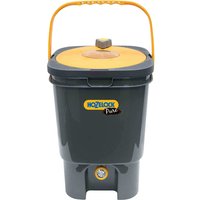
The Hozelock Biomix 19l is perfect for urban gardens, allowing you to turn food waste into quality compost while being eco-friendly.
Pros
- Compact design ideal for urban environments
- Encourages sustainable waste management
- Effective moisture retention for decomposition
- Easy to clean and maintain
Cons
- Capacity may be insufficient for large households
- Requires attention to maintain balance of materials
6.6 Kw On Board Lithium Ion 48v Electric Bike With Bus In Chargers Can 72v Air Cooling Systems Battery Charger Supplier
Alibaba UK

Wholesale Price ,Trade Assurance | Alibaba.com
KOSPET Optimus Pro 3+32 4G Waterproof With camera phone Alarm gps tracker Dual Systems Android7.1.1 800mAh Smart Watch Phone
Alibaba UK

Wholesale Price ,Trade Assurance | Alibaba.com
Mobile android pos terminal touch screen pos with 58mm printer smart handheld pos systems
Alibaba UK

Wholesale Price ,Trade Assurance | Alibaba.com
4Comparison Table of Recommended Composting Systems
| Criteria | Hozelock Biomix 19L | Hozelock Biomix Alternative | My Tool Shed Hozelock Biomix |
|---|---|---|---|
| Size | 19L | 19L | 19L |
| Material | Durable Plastic | Durable Plastic | Durable Plastic |
| Ease of Use | High | High | High |
| Price | £72.95 | £72.95 | £72.95 |
| Capacity | Small | Small | Small |
5Practical Guide to Using and Maintaining Your Composting System
Understanding how to effectively use and maintain your composting system is crucial for optimal performance. Here are essential tips to get you started:
1. Collect the Right Materials: Gather a balance of green materials (e.g., fruit scraps, grass clippings) and brown materials (e.g., dried leaves, cardboard). A good mix promotes fast decomposition.
2. Layering Techniques: Start with a layer of coarse materials at the bottom for aeration. Add alternating layers of green and brown materials, ensuring that greens do not dominate the mix.
3. Regular Turning: If your composting system permits, regularly turning the compost helps speed up decomposition by introducing oxygen. This can be done every few weeks.
4. Monitoring Moisture Levels: Your compost should feel damp but not overly soggy. If it’s too dry, add water gradually; if too wet, add more brown materials.
5. Harvesting Compost: After several months, your compost should be dark and crumbly, often resembling rich soil. It’s ready to use when it no longer resembles its original components. Apply it to your garden beds or potted plants to provide nutrients.
By following these practical steps, you will maximise the benefits of your composting system and contribute to a healthier garden.
Conclusion
Choosing the right composting system can make all the difference in your gardening success and sustainability efforts. Remember to consider factors such as capacity, ease of use, and environmental impact. By adopting one of the systems we've discussed, you'll not only contribute to reducing waste but also enhance your garden's health. Ready to start composting? Explore our top product recommendations and embark on your sustainable journey today!